
COAST: The China Smart Glass Film Manufacturer Bridging Aesthetics and Energy Efficiency
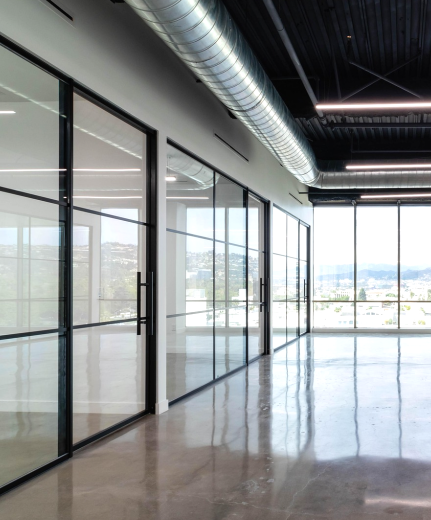
SHENZHEN, GUANGDONG, CHINA, March 6, 2026 /EINPresswire.com/ -- Modern architecture faces a persistent paradox. Architects strive for expansive glass facades to maximize natural light and create a sense of openness. However, these large transparent surfaces often lead to significant challenges regarding occupant privacy and thermal management. Traditional solutions like mechanical blinds or heavy curtains often clutter the minimalist aesthetic of a building and require frequent maintenance. Established in 2015, COAST has addressed this dilemma by developing advanced switchable glazing technologies. As a prominent China Smart Glass Film Manufacturer, the company integrates liquid crystal science with architectural design to provide a "blind-free" minimalist solution. By expanding service boundaries and focusing on customer value, the organization has transformed glass from a passive material into an active, intelligent building component that balances beauty with functional efficiency.
Breakthroughs in Visual Aesthetics: UV Printing and Smart Blinds
The evolution of Polymer Dispersed Liquid Crystal (PDLC) technology has moved beyond simple transparency switching. One of the most significant innovations in the company's portfolio is the application of UV printing on smart films. This process allows for the integration of customized patterns, logos, or textures directly onto the PDLC layer. Unlike traditional decorative films, these printed patterns can coexist with the film’s switchable functionality. When the power is on, the glass remains clear, showcasing the subtle printed designs. When the power is off, the glass turns opaque, and the patterns become a distinct decorative element that enhances the interior theme.
Furthermore, the introduction of "Switchable Blind" technology marks a departure from uniform privacy glass. Traditional smart films operate in a binary state—either entirely clear or entirely opaque. In contrast, the smart blind effect utilizes specialized circuit partitioning to control different sections of the film independently. This allows the glass to simulate the motion of traditional louvers or blinds. Users can trigger a gradual transition where horizontal or vertical strips disappear or reappear in sequence. This dynamic visual effect provides a high degree of light control while maintaining a sleek, modern appearance. It offers designers a new tool to manipulate shadow and light without the need for dust-collecting mechanical hardware.
Functional Depth: Industrial Standards for Privacy and Protection
At the core of these aesthetic innovations is a rigorous adherence to industrial performance standards. The PDLC films operate using a 110V or 60V electrical control mechanism, which aligns the liquid crystal molecules to allow light passage. A key performance metric is the response speed; these films can switch states in less than 10 milliseconds. This near-instantaneous transition is vital for high-stakes environments like hospital intensive care units or corporate boardrooms where privacy must be immediate. Furthermore, the optical quality is characterized by low haze levels when the film is in its "on" state, ensuring that the view remains crisp and undistorted.
Beyond privacy, the protective capabilities of these films are substantial. In their opaque state, the films block approximately 99% of ultraviolet (UV) radiation. This protection is essential for preserving the lifespan of interior furniture, artworks, and flooring, which often suffer from solar degradation. The use of high-quality PET (Polyethylene Terephthalate) as a substrate material ensures that the film remains stable under varying environmental conditions. Whether integrated into a double-glazed unit or applied as a self-adhesive layer to existing windows, the film maintains its structural integrity over a long operational life. This combination of speed, clarity, and protection ensures that the space remains functional and inviting at all times.
Green Building Contributions: Thermal Management and Carbon Reduction
The impact of smart glass technology extends deeply into the realm of environmental sustainability. Energy efficiency is no longer an optional feature in modern construction; it is a regulatory requirement in many global markets. Smart PDLC films contribute to this goal by acting as a dynamic thermal barrier. By adjusting the light transmittance of a building envelope, these films help regulate the amount of solar heat gain entering a room. During peak sunlight hours, switching the film to an opaque or translucent state can significantly reduce the infrared heat transfer.
This thermal regulation provides a secondary benefit by reducing the load on Heating, Ventilation, and Air Conditioning (HVAC) systems. When the internal temperature remains stable due to effective glazing, the building consumes less electricity for cooling. Over the lifecycle of a commercial skyscraper, this reduction in energy consumption translates into a smaller carbon footprint and lower operational costs. The company's commitment to "naturally breathable" and energy-efficient states aligns with global green building standards. By integrating rare earth materials into their wider product range, they further enhance the heat-insulating properties of their glass solutions. This holistic approach to material science helps modern structures meet rigorous ESG (Environmental, Social, and Governance) targets without compromising architectural transparency.
The Transition to Integrated Space Solution Experts
Since its inception, the company has evolved from a single-product manufacturer into a provider of comprehensive building solutions. The product portfolio now encompasses not only PDLC and PNLC films but also rare earth heat insulation coatings and waterproof integrated solutions. This diversification allows for a one-stop approach to building sunshade and insulation. Rather than sourcing disparate materials from various vendors, architects and developers can implement a unified system designed for compatibility and performance.
The organization's end-to-end service model includes customized technical solutions that accurately meet diverse architectural needs. From initial design consultation to the final installation of 110V electric switchable systems, the focus remains on enhancing the value of the customer’s property. By bridging the gap between advanced nanotechnology and interior design, COAST has redefined the role of a glass film manufacturer. The result is a series of products that empower buildings to be environmentally responsible while remaining visually stunning. As the demand for smart cities and energy-efficient homes grows, the synergy between aesthetics and energy efficiency will continue to be the primary driver of innovation in the industry.
Ultimately, the success of these smart film applications lies in their ability to disappear when not needed and perform exceptionally when activated. They provide the ultimate luxury in modern design: the power to control one’s environment with the flip of a switch. By maintaining a balance between high-tech functionality and minimalist beauty, the company ensures that the buildings of tomorrow are both sustainable and inspiring.
For more information, please visit the official website: https://www.coast-smartfilm.com/.
Breakthroughs in Visual Aesthetics: UV Printing and Smart Blinds
The evolution of Polymer Dispersed Liquid Crystal (PDLC) technology has moved beyond simple transparency switching. One of the most significant innovations in the company's portfolio is the application of UV printing on smart films. This process allows for the integration of customized patterns, logos, or textures directly onto the PDLC layer. Unlike traditional decorative films, these printed patterns can coexist with the film’s switchable functionality. When the power is on, the glass remains clear, showcasing the subtle printed designs. When the power is off, the glass turns opaque, and the patterns become a distinct decorative element that enhances the interior theme.
Furthermore, the introduction of "Switchable Blind" technology marks a departure from uniform privacy glass. Traditional smart films operate in a binary state—either entirely clear or entirely opaque. In contrast, the smart blind effect utilizes specialized circuit partitioning to control different sections of the film independently. This allows the glass to simulate the motion of traditional louvers or blinds. Users can trigger a gradual transition where horizontal or vertical strips disappear or reappear in sequence. This dynamic visual effect provides a high degree of light control while maintaining a sleek, modern appearance. It offers designers a new tool to manipulate shadow and light without the need for dust-collecting mechanical hardware.
Functional Depth: Industrial Standards for Privacy and Protection
At the core of these aesthetic innovations is a rigorous adherence to industrial performance standards. The PDLC films operate using a 110V or 60V electrical control mechanism, which aligns the liquid crystal molecules to allow light passage. A key performance metric is the response speed; these films can switch states in less than 10 milliseconds. This near-instantaneous transition is vital for high-stakes environments like hospital intensive care units or corporate boardrooms where privacy must be immediate. Furthermore, the optical quality is characterized by low haze levels when the film is in its "on" state, ensuring that the view remains crisp and undistorted.
Beyond privacy, the protective capabilities of these films are substantial. In their opaque state, the films block approximately 99% of ultraviolet (UV) radiation. This protection is essential for preserving the lifespan of interior furniture, artworks, and flooring, which often suffer from solar degradation. The use of high-quality PET (Polyethylene Terephthalate) as a substrate material ensures that the film remains stable under varying environmental conditions. Whether integrated into a double-glazed unit or applied as a self-adhesive layer to existing windows, the film maintains its structural integrity over a long operational life. This combination of speed, clarity, and protection ensures that the space remains functional and inviting at all times.
Green Building Contributions: Thermal Management and Carbon Reduction
The impact of smart glass technology extends deeply into the realm of environmental sustainability. Energy efficiency is no longer an optional feature in modern construction; it is a regulatory requirement in many global markets. Smart PDLC films contribute to this goal by acting as a dynamic thermal barrier. By adjusting the light transmittance of a building envelope, these films help regulate the amount of solar heat gain entering a room. During peak sunlight hours, switching the film to an opaque or translucent state can significantly reduce the infrared heat transfer.
This thermal regulation provides a secondary benefit by reducing the load on Heating, Ventilation, and Air Conditioning (HVAC) systems. When the internal temperature remains stable due to effective glazing, the building consumes less electricity for cooling. Over the lifecycle of a commercial skyscraper, this reduction in energy consumption translates into a smaller carbon footprint and lower operational costs. The company's commitment to "naturally breathable" and energy-efficient states aligns with global green building standards. By integrating rare earth materials into their wider product range, they further enhance the heat-insulating properties of their glass solutions. This holistic approach to material science helps modern structures meet rigorous ESG (Environmental, Social, and Governance) targets without compromising architectural transparency.
The Transition to Integrated Space Solution Experts
Since its inception, the company has evolved from a single-product manufacturer into a provider of comprehensive building solutions. The product portfolio now encompasses not only PDLC and PNLC films but also rare earth heat insulation coatings and waterproof integrated solutions. This diversification allows for a one-stop approach to building sunshade and insulation. Rather than sourcing disparate materials from various vendors, architects and developers can implement a unified system designed for compatibility and performance.
The organization's end-to-end service model includes customized technical solutions that accurately meet diverse architectural needs. From initial design consultation to the final installation of 110V electric switchable systems, the focus remains on enhancing the value of the customer’s property. By bridging the gap between advanced nanotechnology and interior design, COAST has redefined the role of a glass film manufacturer. The result is a series of products that empower buildings to be environmentally responsible while remaining visually stunning. As the demand for smart cities and energy-efficient homes grows, the synergy between aesthetics and energy efficiency will continue to be the primary driver of innovation in the industry.
Ultimately, the success of these smart film applications lies in their ability to disappear when not needed and perform exceptionally when activated. They provide the ultimate luxury in modern design: the power to control one’s environment with the flip of a switch. By maintaining a balance between high-tech functionality and minimalist beauty, the company ensures that the buildings of tomorrow are both sustainable and inspiring.
For more information, please visit the official website: https://www.coast-smartfilm.com/.
Shenzhen Coast Glass Co., Ltd.
+86 158 1688 1205
info@coast-smartfilm.com
Visit us on social media:
Facebook
YouTube
TikTok
Legal Disclaimer:
EIN Presswire provides this news content "as is" without warranty of any kind. We do not accept any responsibility or liability for the accuracy, content, images, videos, licenses, completeness, legality, or reliability of the information contained in this article. If you have any complaints or copyright issues related to this article, kindly contact the author above.

