

How Restaurants Can Reduce Frying Oil Costs by Up to 30% While Meeting Consumer Demand for Healthier Food
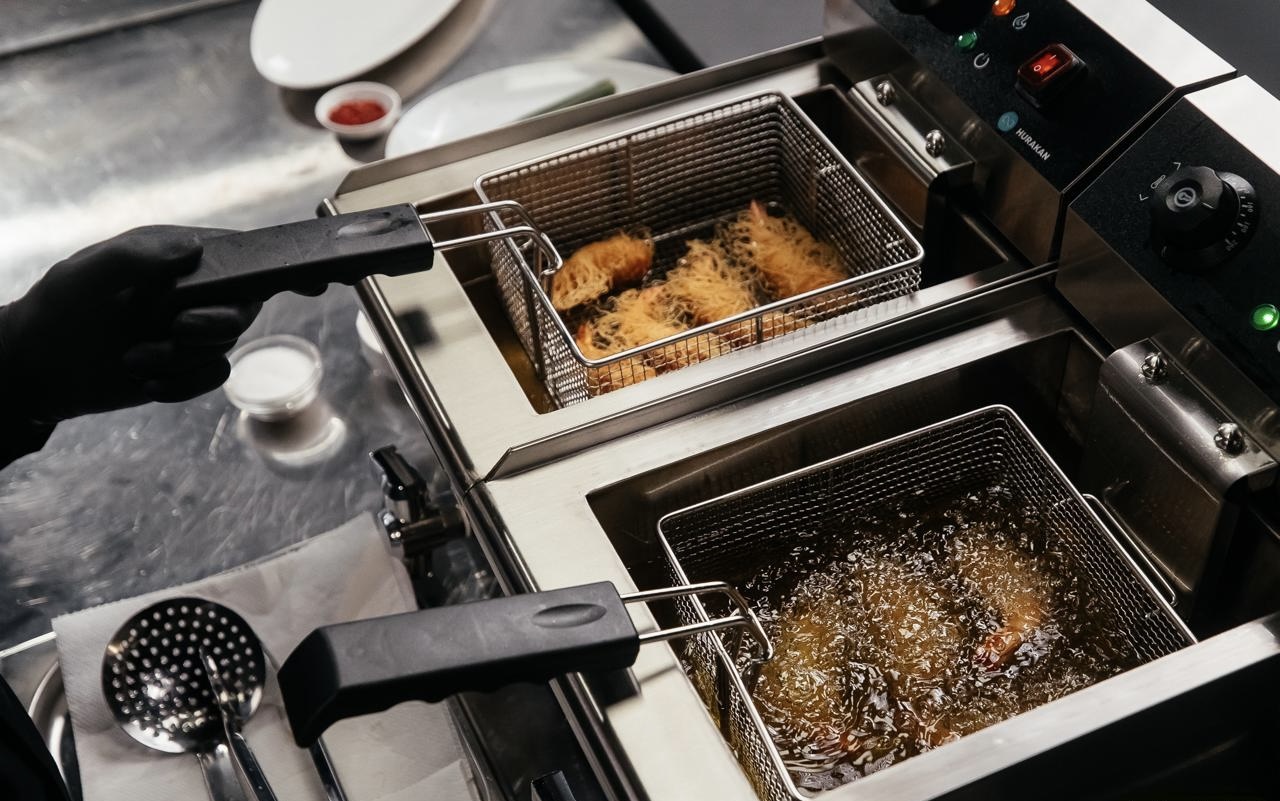
EFFO Deep Fry
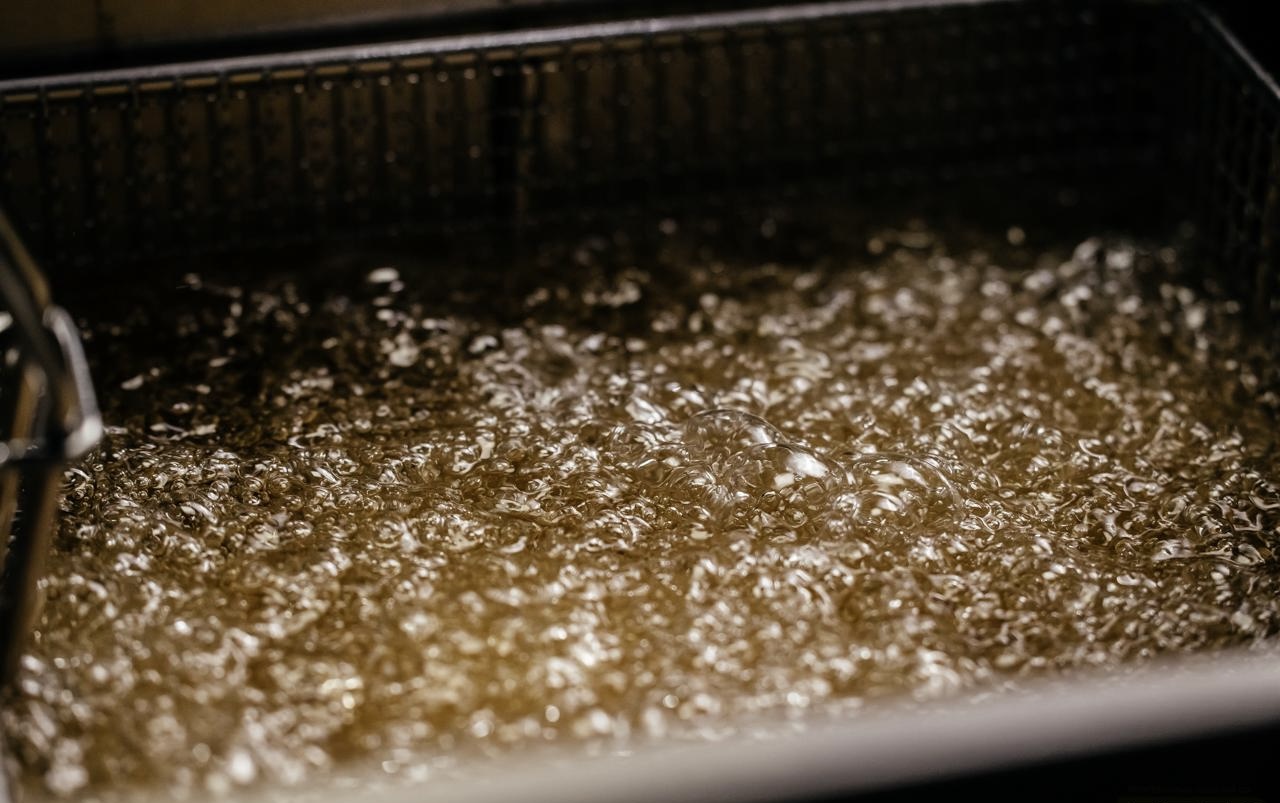
Save a thouthends of dollars on your frying oil
All in all it means that restaurants can save a thouthends of dollars a year on their frying oil!”
CHICAGO, IL, UNITED STATES, June 8, 2026 /EINPresswire.com/ -- The restaurant industry has never been more focused on controlling costs. Rising labor expenses, increasing food prices, and ongoing inflation continue to challenge operators across the country. Yet one major expense often receives less attention than it deserves: frying oil.— Oles Luchnyi
For restaurants that serve fried foods, cooking oil is one of the most frequently purchased ingredients in the kitchen. Over the past several years, commodity oil prices have increased significantly, adding pressure to already tight profit margins. Many operators today are paying $5–$10 more per container for traditional frying oils than they did only a few years ago.
At the same time, consumers are changing the way they think about food. Guests increasingly seek healthier menu options, cleaner ingredients, and greater transparency about what goes into their meals. However, while consumers want healthier food, most are not willing to pay substantially more for it.
This creates a difficult challenge for restaurant owners: how can they improve ingredient quality while keeping food costs under control?
The answer may be found in a smarter approach to frying oil selection.
Looking Beyond the Purchase Price
Many operators evaluate frying oils based primarily on the price listed on an invoice. While purchase price is important, it does not tell the entire story.
The true cost of frying oil includes several factors:
* How long the oil lasts in the fryer
* How often it must be replaced
* Labor required for oil changes
* Waste oil disposal costs
* Oil absorption into food
* Product consistency throughout the day
An oil that costs slightly more per container may ultimately cost less if it performs significantly longer in a commercial fryer.
This is where High Oleic Sunflower Oil has begun attracting attention from chefs, restaurant groups, and foodservice distributors across North America.
What Makes High Oleic Sunflower Oil Different?
Unlike traditional vegetable oils, High Oleic Sunflower Oil contains exceptionally high levels of oleic acid, commonly known as Omega-9.
Most High Oleic Sunflower Oils contain approximately 80–85% Omega-9 fatty acids. This unique composition provides excellent oxidative stability, allowing the oil to withstand high frying temperatures for longer periods without breaking down.
In practical terms, this means the oil remains usable for more frying cycles compared to many conventional commodity oils.
For restaurants, that translates into longer fryer life, fewer oil changes, and reduced overall oil consumption.
Many operators report that High Oleic Sunflower Oil can last two to three times longer than conventional soybean oil under similar frying conditions.
The Opportunity to Reduce Oil Expenses
When restaurants evaluate oil performance rather than simply comparing purchase prices, the economics become much more interesting.
Consider a restaurant that changes fryer oil every three days using a commodity oil. If switching to a more stable oil allows the operator to extend that interval to six or seven days, the savings can be substantial.
Reduced oil consumption affects multiple areas of operation:
* Lower purchasing costs
* Fewer deliveries
* Reduced labor associated with oil management
* Less spent oil disposal
* Improved kitchen productivity
When these factors are combined, many foodservice operators find that their total oil-related expenses can decrease by as much as 30%.
In an industry where profit margins are often measured in single digits, this level of savings can have a meaningful impact on overall profitability.
Supporting Health-Conscious Consumers
Cost savings are only part of the story.
Today’s consumers are increasingly interested in the nutritional quality of restaurant ingredients. While guests may not ask specifically about frying oil, they are paying closer attention to ingredient lists, nutrition information, and cooking methods.
High Oleic Sunflower Oil offers several characteristics that align with current consumer preferences.
These include:
* High Omega-9 content
* Zero trans fats
* Zero cholesterol
* Non-GMO options available
* Vegan-friendly formulation
* Allergen-friendly profile compared to some alternatives
For restaurants seeking to position themselves as modern, health-conscious brands, ingredient quality can become an important point of differentiation.
Better Oil Can Improve Food Quality
Oil quality directly influences the quality of fried foods.
As frying oil degrades, food quality often suffers. Operators may notice darker colors, inconsistent texture, unwanted flavors, or reduced product appeal.
Because High Oleic Sunflower Oil remains stable for longer periods, it helps maintain consistent cooking performance throughout service.
Its neutral flavor profile also allows the natural taste of the food to stand out.
French fries retain their potato flavor. Chicken develops a crisp texture without excessive oiliness. Seafood maintains its delicate characteristics.
For restaurants focused on delivering a premium guest experience, consistency is critical.
Sustainability Benefits
Another advantage of longer-lasting frying oils is improved sustainability.
Because restaurants use less total oil over time, they generate less waste and require fewer replacement deliveries.
This can help reduce:
* Packaging waste
* Transportation-related emissions
* Used oil disposal volume
* Overall resource consumption
While sustainability may not be the primary reason for switching oils, it is becoming an increasingly important consideration for both operators and consumers.
The Future of Frying Is About Value
The restaurant industry is evolving. Rising costs and changing consumer expectations are forcing operators to examine every aspect of their business.
When it comes to frying oil, the lowest purchase price does not always deliver the lowest operating cost.
The most successful operators are shifting their focus from cost per container to cost per day of fryer performance.
High Oleic Sunflower Oil offers a compelling solution by combining operational efficiency, healthier nutritional characteristics, and superior frying performance. The result is an opportunity to reduce oil-related expenses while supporting the ingredient quality that modern consumers increasingly expect.
In today’s competitive foodservice environment, restaurants must find ways to improve both profitability and guest satisfaction. Choosing a frying oil that lasts longer, performs better, and supports healthier menu positioning may be one of the simplest ways to achieve both goals.
For many operators, reducing frying oil costs by up to 30% is no longer just a possibility—it is becoming a competitive advantage.
Oles Luchnyi
OL Marketing Solutions
+1 331-214-0436
email us here
Legal Disclaimer:
EIN Presswire provides this news content "as is" without warranty of any kind. We do not accept any responsibility or liability for the accuracy, content, images, videos, licenses, completeness, legality, or reliability of the information contained in this article. If you have any complaints or copyright issues related to this article, kindly contact the author above.
